Home
Decision support based on ocean environments
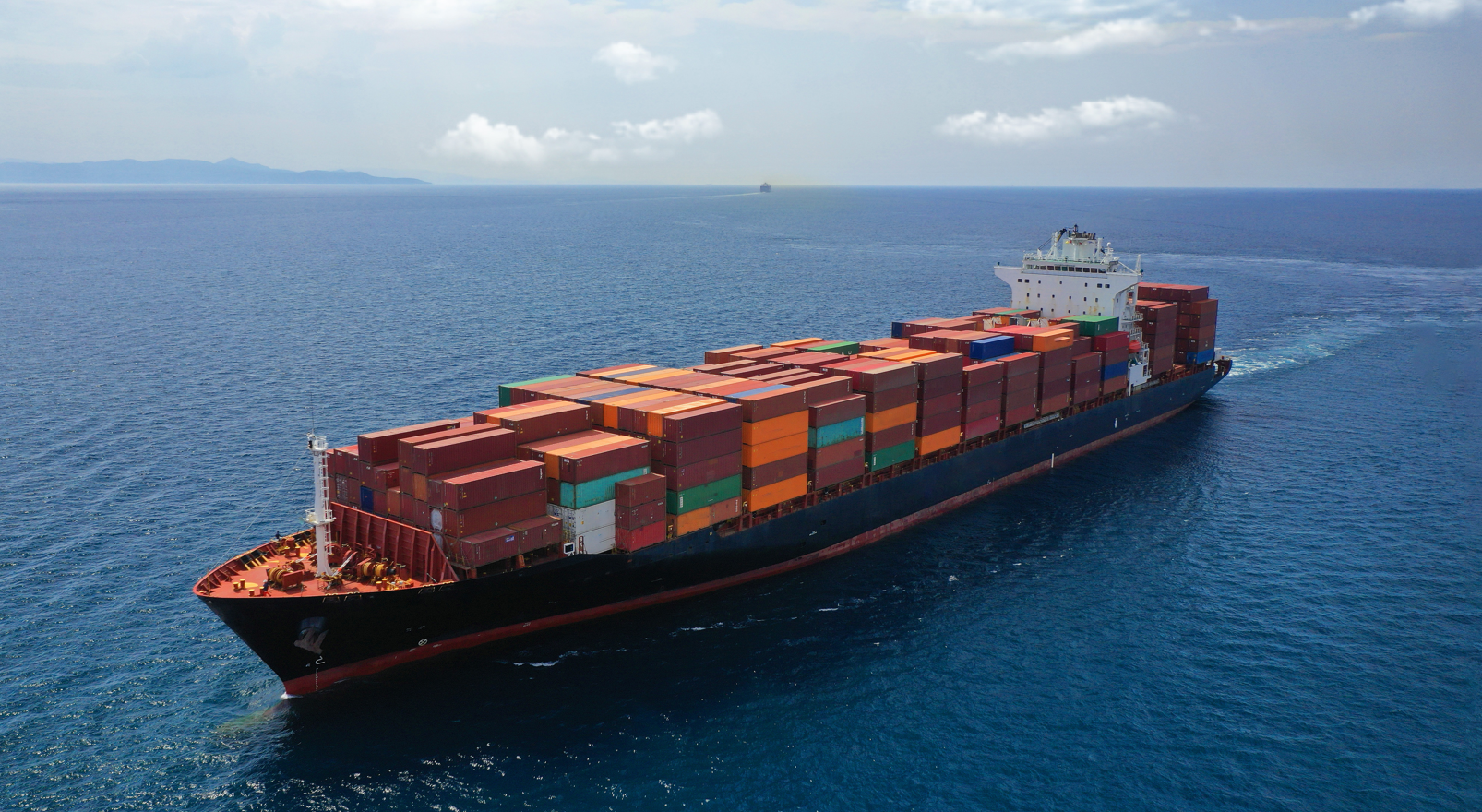
You can quickly check future ocean conditions before departure or operation to support timely decision-making.
It can be directly used to support decisions such as avoiding dangerous ocean conditions and choosing routes.
Challenges in the Operational Utilization of Ocean Forecasting
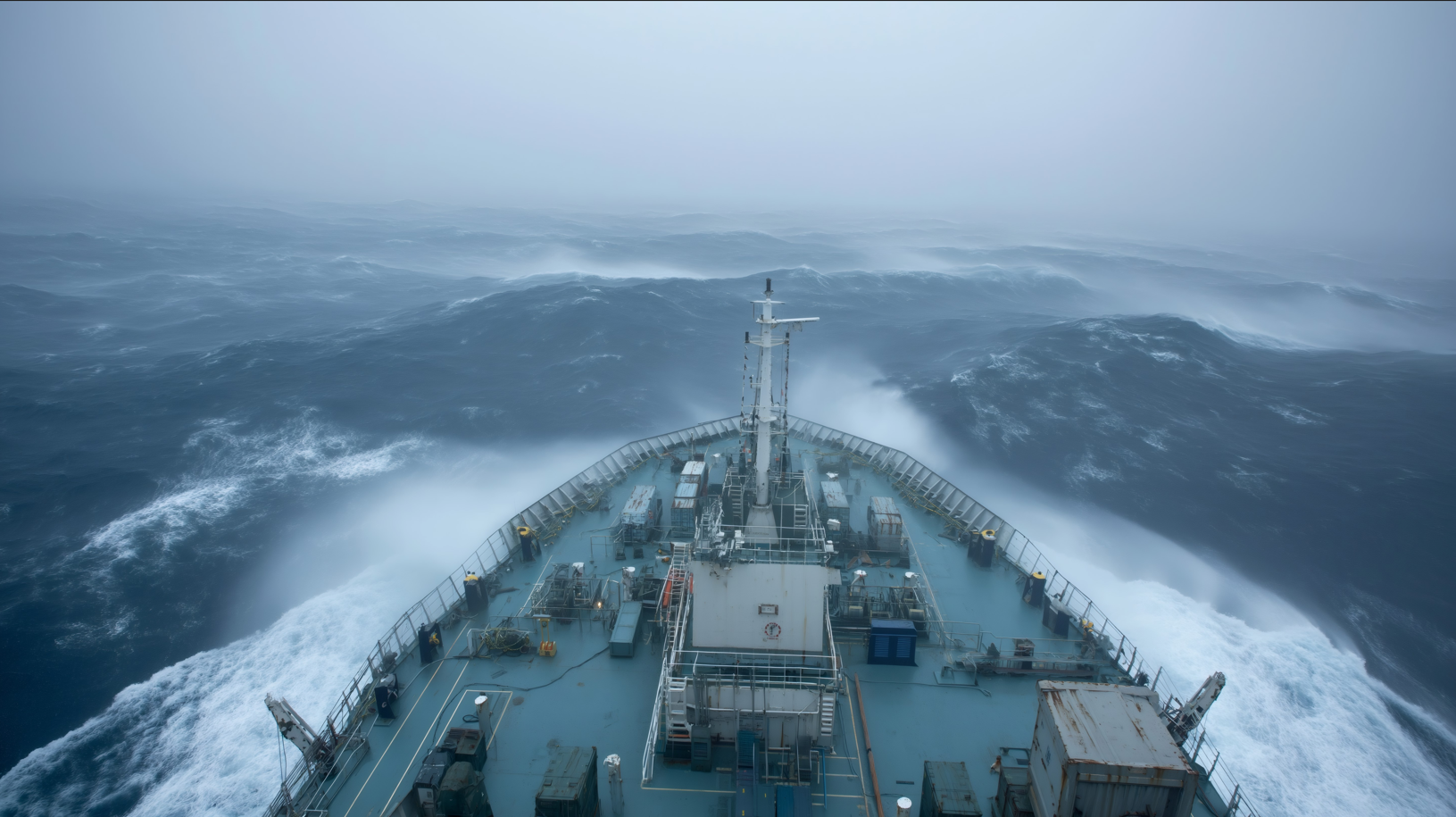
Ocean conditions can make or break the safety and efficiency of fishing, cargo transport, offshore work, and coastal infrastructure operations. Traditional ocean forecasts rely on large-scale simulations, so they are often too slow or costly to use when decisions are needed. As a result, many on-site decisions still depend on experience and intuition, making it difficult to assess risk and efficiency in advance.
Solution Through This Technology
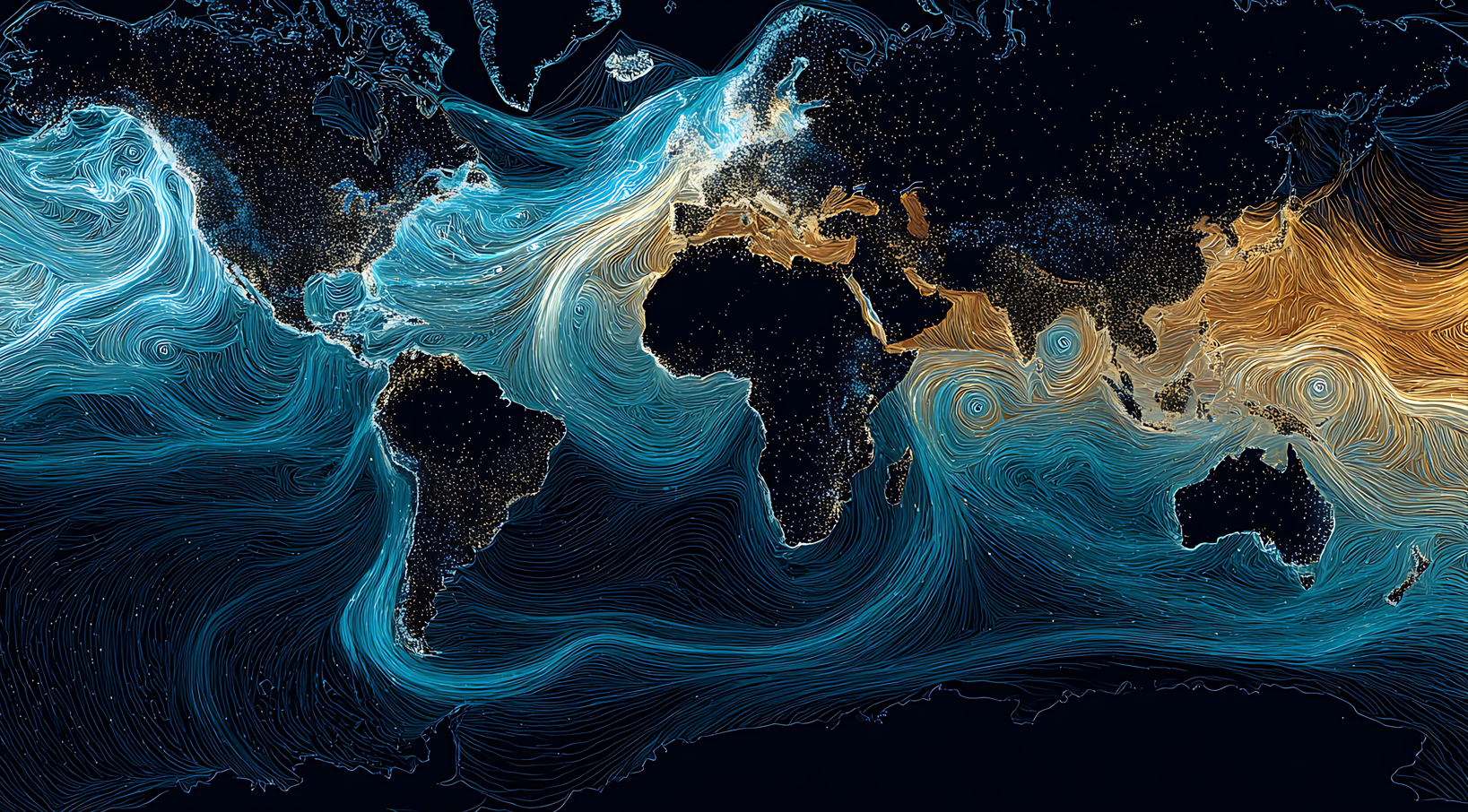
AI learns patterns in ocean currents, wave height, and sea-surface changes, enabling near real-time forecasts that used to require significant time and computing resources. By estimating ocean conditions much faster than traditional large-scale simulations, it can provide a clear outlook from a few hours to several days ahead. This makes forecasts actionable—not only to review conditions, but also to compare scenarios and refine plans for better real-world decisions.
The benefits of Decision support based on ocean environments
- Data-driven operations
- Because ocean conditions can be monitored immediately, teams can make real-time, data-based decisions—such as whether to depart, when to reroute, and how to revise work plans.
- Faster, more advanced decision-making
- By comparing and evaluating multiple future scenarios, teams can make explainable decisions that don’t rely on experience or gut feel.
- Broader access to ocean intelligence
- Because it works without specialized computing infrastructure, even small and mid-sized operators can use ocean information in day-to-day business decisions.
|
|
|
|
|
|
|
|
|
Technical overview
Target Industry/Users
- Fisheries and aquaculture operators responsible for planning fishing operations, deciding when to go out, and managing safety
- Shipping and logistics companies that plan vessel operations and choose routes
- Organizations that build, operate, and maintain offshore infrastructure (e.g., offshore wind, subsea cables)
- Local governments and public agencies responsible for coastal/port management and disaster prevention planning
Challenges in Target Industry and Operations
- It’s hard to make day-to-day decisions while considering future sea conditions:
- Decisions rely on short-term forecasts and experience, making it difficult to plan operations, routes, or offshore work with a horizon of several hours to several days.
- Revising plans when conditions change takes too long:
- When weather or sea conditions shift, it’s difficult to quickly re-check the plan and compare alternatives.
- Advanced prediction data doesn’t fit into everyday work:
- Because it assumes expert analysis and large-scale computing, data-driven decision-making hasn’t spread to the field level.
Technical Challenges
- Lack of real-time availability:
- Traditional approaches take too much time and money to compute, so results aren’t available when needed and are hard to use for everyday operational decisions.
- Difficulty delivering local, high-resolution forecasts:
- When you try to forecast a specific area in detail, computation grows quickly, making it hard to use across multiple locations as part of daily operations.
- Evaluating multiple scenarios isn’t practical:
- Even if you want to compare routes or working conditions, computations take too long to finish before departure or before work starts.
- Dependence on experts and specialized equipment:
- Because it requires specialized know-how and expensive infrastructure, only a limited set of people can use it—and adoption across on-site teams is slow.
Solutions
- Fast forecasting that lets you see what’s coming:
- Using physics-informed AI, it can quickly predict sea conditions from several hours to several days ahead—so you can review fishing, shipping, and offshore work plans before you act.
- Flexible planning through instant re-forecasting:
- It can immediately re-run predictions when conditions or assumptions change, enabling quick plan updates as weather and sea states evolve.
- Built for on-site use:
- Designed so it can be used in everyday workflows from common cloud environments or existing business systems—without specialized knowledge or special hardware.
Fujitsu's Technological Advantage
- Not just fast—reliable forecasts you can actually use to decide
- By learning the patterns of ocean dynamics, the AI delivers stable results that are less likely to fluctuate—so teams can use them with confidence.
- Works without special computing environments
- Unlike many solutions that assume high-performance computing, this can be introduced and used on standard cloud environments and existing systems—without relying on supercomputers.
- Designed to connect predictions directly to operational decisions
- Rather than showing numbers only, it’s designed to link predictions to operational KPIs—making it easy to use for safety checks and for planning routes and work schedules.
The benefits of "Decision support based on ocean environments"
- Safer decisions:
- By checking future sea conditions before departure or before starting work, teams can avoid risky situations in advance.
- Faster, more accurate decision-making:
- By providing fast and stable forecasts in a decision-ready format, people can act quickly and confidently—without relying on instinct or guesswork.
- Energy savings and lower environmental impact:
- By comparing routes and work plans ahead of time based on sea conditions, teams can reduce unnecessary operations—cutting fuel use and CO₂ emissions.
Case studies
With this technology, you can continuously forecast future sea conditions and combine them with operational indicators such as safety and fuel consumption—creating a foundation for making informed go/no-go and routing decisions before departure or operations.
-
Decision support for safer fishing operations (UmiAI Studio)
- For coastal fisheries, it visualizes future currents and waves. Before heading out, operators can check conditions in the fishing area and decide “Is it safe to go today?” and “Where is safest?” This supports more reasonable departure decisions and better work planning.
-
Energy-saving route planning for vessel operations (D-SWR)
- For cargo and work vessels, users can compare and evaluate multiple routes before departure while looking at predicted sea conditions. By selecting routes that balance safety and fuel efficiency, teams can support energy-saving operations and reduce CO₂ emissions.
-
Using it for an ocean digital twin
- Leveraging its ability to forecast quickly, teams can test multiple conditions and scenarios in a virtual environment. This supports pre-execution review of navigation plans, work schedules, and environmental impacts.
Technical Trial
- Demo Video
- A Proof of Concept(PoC) is possible.